Transport Services for Livestock and Hay in Montana

Transporting livestock and hay in Montana is a critical aspect of the agricultural industry. With vast landscapes and varying terrains, ensuring the safe and efficient movement of these essential resources is paramount for farmers and ranchers. This blog post will explore the various transport services available for livestock and hay in Montana, the challenges faced, and the best practices to ensure successful transportation.
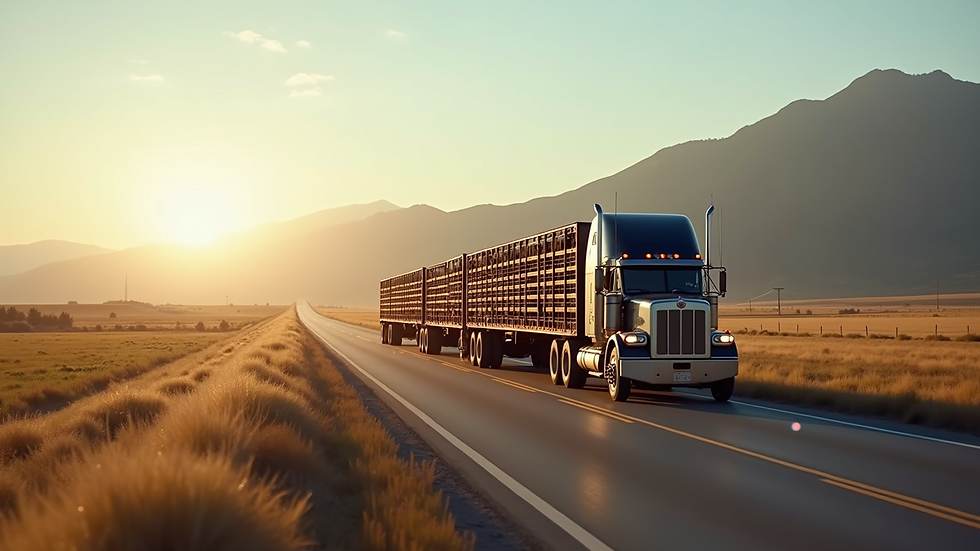
Understanding the Importance of Transport Services
Transport services play a vital role in the agricultural supply chain. In Montana, where agriculture is a significant part of the economy, the movement of livestock and hay is essential for several reasons:
Feeding Livestock: Farmers often need to transport hay from one location to another to ensure their livestock have adequate food supplies.
Market Access: Livestock must be transported to markets for sale, which requires reliable transport services.
Breeding Programs: Transporting livestock for breeding purposes is common, necessitating specialized services to ensure animal welfare.
Types of Transport Services Available
Livestock Transport
Livestock transport services in Montana are specialized to handle various types of animals, including cattle, sheep, and pigs. These services often include:
Open Trailers: Suitable for larger animals like cattle, these trailers provide ample space and ventilation.
Enclosed Trailers: Used for smaller animals, these trailers protect livestock from the elements during transport.
Specialized Equipment: Some transport services offer equipment designed for specific types of livestock, ensuring their safety and comfort.
Hay Transport
Transporting hay requires different considerations compared to livestock. Key services include:
Flatbed Trucks: These are commonly used for transporting large bales of hay, allowing for easy loading and unloading.
Bale Trailers: Designed specifically for hay, these trailers can carry multiple bales at once, optimizing transport efficiency.
Local and Long-Distance Transport: Many companies offer both local and long-distance transport services, catering to the needs of farmers across Montana.
Challenges in Transporting Livestock and Hay
While transport services are essential, several challenges can arise during the process:
Weather Conditions
Montana's weather can be unpredictable, with extreme temperatures and sudden storms. Transport services must be equipped to handle these conditions to ensure the safety of livestock and hay.
Road Conditions
Rural roads can be rough and poorly maintained, posing risks during transport. Companies must be familiar with local routes and have vehicles capable of navigating challenging terrains.
Regulatory Compliance
Transporting livestock often involves adhering to strict regulations to ensure animal welfare. Transport services must be knowledgeable about these regulations to avoid penalties and ensure safe transport.
Best Practices for Transporting Livestock and Hay
To ensure successful transport, both farmers and transport service providers should follow best practices:
Planning and Coordination
Schedule Transport in Advance: Coordinating transport schedules with harvest times and market days can optimize efficiency.
Communicate with Transport Providers: Clear communication about the type of livestock or hay being transported can help providers prepare adequately.
Ensuring Animal Welfare
Use Appropriate Transport Vehicles: Selecting the right type of vehicle for the specific livestock is crucial for their comfort and safety.
Monitor Conditions During Transport: Keeping an eye on temperature and ventilation within transport vehicles can prevent stress and health issues for livestock.
Efficient Loading and Unloading
Train Staff on Best Practices: Ensuring that staff are trained in safe loading and unloading techniques can minimize stress for animals.
Use Proper Equipment: Utilizing ramps and gates designed for livestock can facilitate smoother transitions during loading and unloading.
Choosing the Right Transport Service
When selecting a transport service for livestock and hay in Montana, consider the following factors:
Experience and Reputation
Look for companies with a proven track record in transporting livestock and hay. Reading reviews and asking for recommendations can help identify reliable providers.
Equipment and Facilities
Ensure that the transport service has the appropriate vehicles and equipment for your specific needs. This includes checking for features like ventilation, space, and safety measures.
Customer Service
A good transport service should prioritize customer service, offering clear communication and support throughout the transport process.
Conclusion
Transport services for livestock and hay in Montana are essential for the agricultural industry. By understanding the types of services available, the challenges faced, and best practices for transport, farmers and ranchers can ensure the safe and efficient movement of their resources. As the agricultural landscape continues to evolve, investing in reliable transport services will remain a key factor in supporting Montana's farming community.
For those involved in agriculture, the next step is to evaluate your current transport needs and consider reaching out to local transport providers to discuss how they can support your operations.

Comments